
On my way back home yesterday afternoon, my friend James and I stopped to do something I probably wouldn’t have done before living in Berkeley. Near a bus stop, I heard some catchy music and followed my ears to an elaborate speaker system on a cart. I was surprised to find a homeless man behind it, disc jockeying.
His clothes were a little raggedy and he had a scruffy, bearded face. But he didn’t look harmful at all, so I decided to talk to him.
I started off by expressing my amazement at his awesome music set-up. He seemed to really appreciate that we had stopped to chat. It didn’t take long for us to strike up a prolonged 10-minute conversation. Upon closer inspection, his cart had a nice laptop, PSP gaming system, record player, two small solar panels, and seven speakers. He explained how he was able to afford all that gear. Instead of spending his SSI (Supplemental Security Income) checks on alcohol or drugs, he saved it to buy the electronics.
After talking about not buying alcohol or drugs, he smiled and flashed me his small bong with medical marijuana. Later on, he even cracked a few jokes about my Billabong t-shirt.
By the end of the conversation, I found out that he went by the name DJ Dead, due to the fact that he mixed Grateful Dead songs with techno. The whole time, I never thought to ask him why he didn’t save up money to get a home. I guess it never crossed my mind because it felt like a normal conversation, and that’s not really something you typically bring up.
Through it all, DJ Dead seemed like a genuinely happy person and didn’t seem sad at all about being homeless. He seemed content to just have his music. His eyes and voice just lit up when he talked about his music equipment.
I’m really glad I decided to stop and strike up a conversation with him. He taught me a different perspective on life.
Well, at the very least, I can say that I did something that not many others have.
Have a prolonged conversation with a homeless man who DJs from a cart? Check.

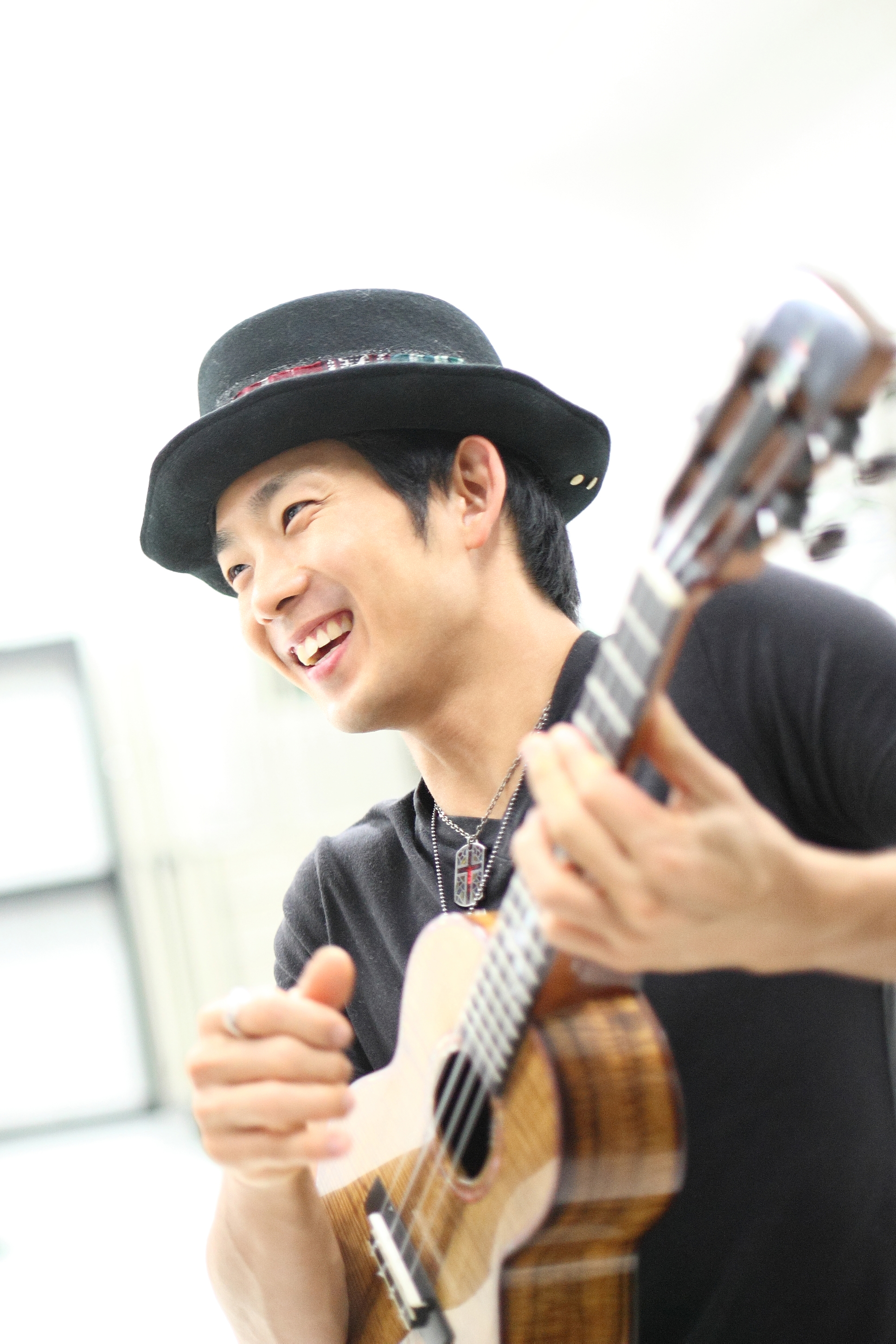
Photo by Sencame
Ukulele virtuoso Jake Shimabukuro learned to play the first chord on his musical instrument at age 4 and was hooked.
“I’ve always believed it’s the instrument of peace,” he says, “because if everyone played the ukulele, this would be a much more peaceful place.”
From a modest beginning performing at a local Honolulu café, Jake has gone on to play renowned and popular venues and festivals across the world. In his spare time, Jake often visits schools to talk with and play music for children in Hawaii, hopefully inspiring them to put their energy into learning about and playing music.
Moreover, Jake is the key spokesman for the “Music is Good Medicine” organization, which uses community outreach programs – and visits to schools, senior centers, and hospitals – to emphasize the importance of a healthy life and mind as well as promoting music and the arts.
I love how he describes music playing as being aware of all of the energy around you and physically putting everything there in every strum. He doesn’t believe in separate music lives and personal lives. Everything is all one. Everything is personal. His music is a reflection of everything in his personal life.
“When you hear a ukulele, you can’t help but smile. You just play one chord, and it makes everyone in the room smile.”
Here’s his recent interview with CNN. His personality really shine through.

The human mind is a powerful thing. Whenever you are presented with a task, you decide then and there whether to commit yourself. Are you intimidated by the challenge? Or are you confident in your abilities? Your answer will impact how you go about that task, and ultimately how successful you are.
The fact that how you think about a situation can affect your subsequent actions and chances at success is powerful.
Mind over matter.
One of the trickiest, but most important things between friends, or even just colleagues, is reciprocity. It is a part of our human nature to want fairness. Whenever that balance is thrown off, we feel it. Being able to both give and take is crucial to a pleasant and cooperative relationship.
For example, if someone’s ever given you a gift completely out of the blue, don’t you feel sort of guilty accepting it? This has happened to me several times and I either feel like I don’t deserve it, or feel like I have a responsibility to return the favor. It isn’t really a physical thing, but more of a mental feeling of inequality.
Likewise, if I feel like I’m putting more work in for a project than other group members, even if it’s not true in actuality, I’ll feel like it’s unfair. To restore the balance, I’d either push the others to contribute more, or scale back the effort that I’m giving. Just the feeling of inequality is enough to change my behavior.
Finding a balance takes time and can be frustrating, but once you do, it’s great. You’ll be able to work with that other person, and will probably even start seeking them out whenever you want to collaborate.
Don’t just give. Don’t just take. Do both.